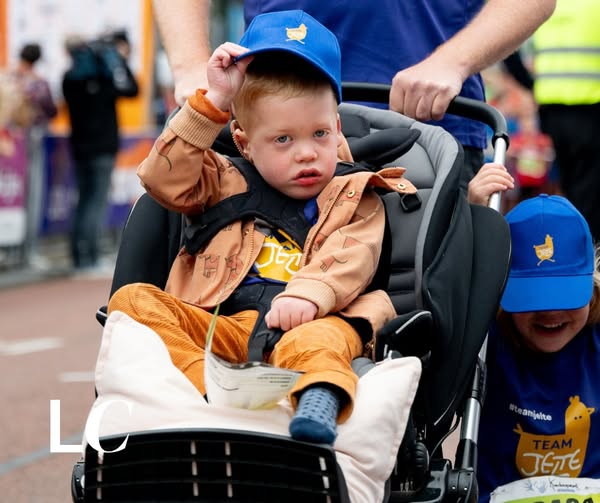
The death of a 5-year-old child diagnosed with metachromatic leukodystrophy (MLD), a rare and progressive metabolic disorder, has drawn renewed attention to the challenges faced by families affected by rare childhood diseases and the role of public advocacy in driving awareness and research funding.
MLD is a hereditary condition that affects the nervous system, gradually impairing motor and cognitive function. Due to its rarity, families often face limited treatment options and significant emotional, medical, and financial challenges following diagnosis.
Rare Disease Visibility and Public Awareness Campaigns
In this case, the child’s diagnosis became a focal point for broader awareness efforts led by his parents, who worked to increase visibility of metabolic disorders. Their advocacy contributed to public engagement through media initiatives, including a documentary highlighting the lived experience of families confronting rare disease progression.
Such storytelling efforts often play a significant role in rare disease communities. Because many conditions affect very small patient populations, public awareness campaigns help bridge gaps in research funding, clinical understanding, and policy prioritization.
Fundraising and the Role of Public Campaigns
A major public fundraising initiative associated with this case reportedly raised more than €12.5 million for Metakids, a foundation focused on supporting children with metabolic diseases. Campaigns of this scale demonstrate how personal narratives can mobilize large-scale public support, particularly when linked to emotionally resonant storytelling and media exposure.
These funds are typically directed toward:
- Scientific research into metabolic disorders
- Development of potential treatments
- Support services for affected families
- Educational outreach and advocacy programs
The Emotional and Ethical Dimensions of End-of-Life Care
The family’s decision to prioritize comfort-focused care rather than continued hospital intervention reflects a broader theme in pediatric palliative care: balancing medical intervention with quality of life considerations in terminal conditions.
In cases of severe neurodegenerative disease progression, families and care teams often face difficult decisions regarding hospitalization, life-prolonging measures, and end-of-life comfort care. These decisions are deeply personal and shaped by medical prognosis, patient condition, and family values.
Media, Documentation, and Public Engagement
The involvement of documentary media in sharing the family’s experience highlights the increasing role of storytelling in public health communication. While such exposure can raise awareness and funding, it also raises ethical considerations around privacy, consent, and emotional burden on families.
Nevertheless, documentaries and public campaigns often serve as powerful tools for:
- Increasing awareness of rare diseases
- Humanizing medical conditions
- Encouraging early diagnosis and research investment
Conclusion
The passing of a young child affected by MLD has had a profound impact not only on his family but also on broader advocacy and rare disease communities. Beyond personal grief, the case underscores ongoing challenges in pediatric rare disease care, including limited treatment options, the importance of research funding, and the role of public awareness in driving medical progress.
As the community reflects on this loss, attention continues to focus on strengthening support systems for families facing similar diagnoses and advancing scientific efforts aimed at earlier detection and future therapies.